The new generation of cold storage medium has high heat transfer efficiency and good fluidity, which is suitable for milk cooling, regional cooling, winter heating, peak-shaving electricity storage, food processing and other fields
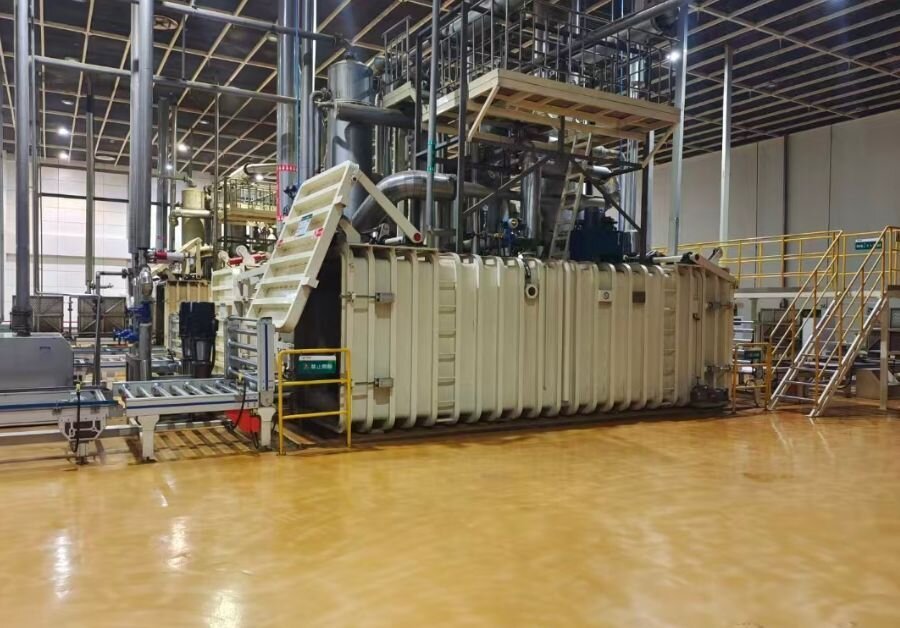
Vacuum Rapid Cooling
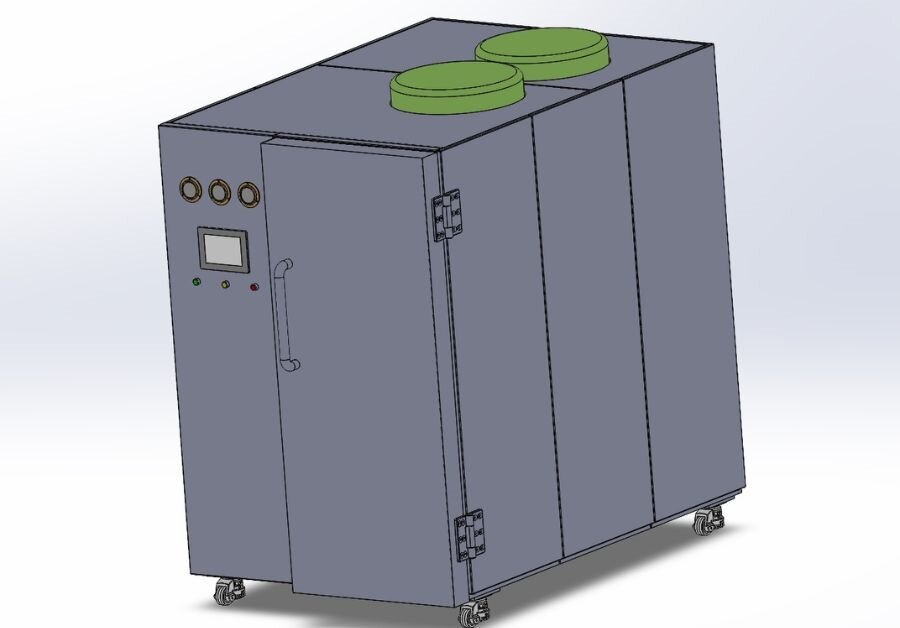
Achieves rapid cooling within 3-15 minutes, completely eliminating the drawbacks of traditional cooling methods—long processing times and susceptibility to bacterial growth. Suitable for central kitchens and food processing plants
Vacuum Pre-cooling
Rapid cooling within 20-30 minutes, featuring uniform cooling and zero contamination. Ideal for fruits, vegetables, flowers, edible mushrooms, and more, effectively extending shelf life
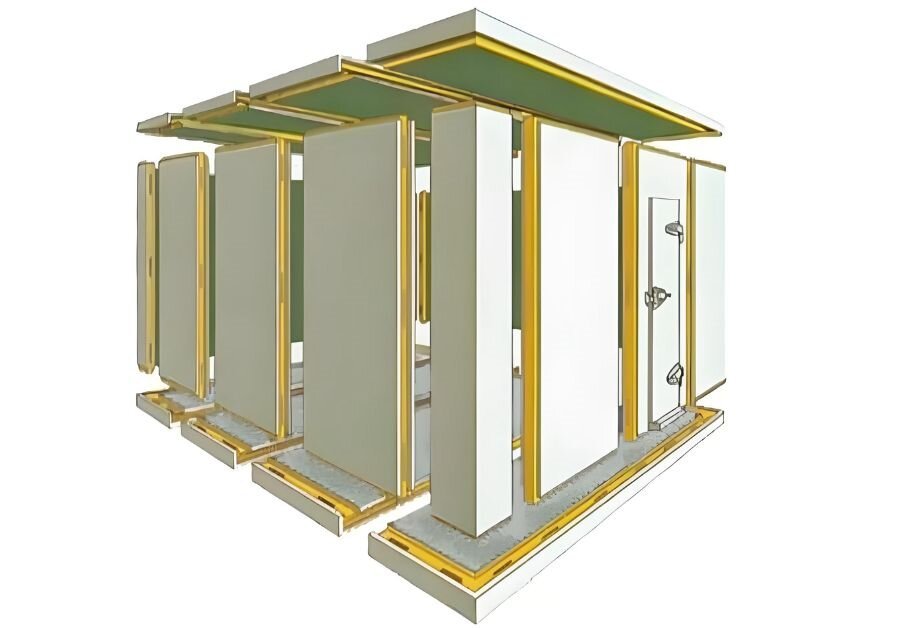
Energy-efficient Cold Storage
Customized cold storage design, intelligent control system, high-performance insulation materials, to achieve energy saving and environmental protection goals
Ice Slurry Solutions
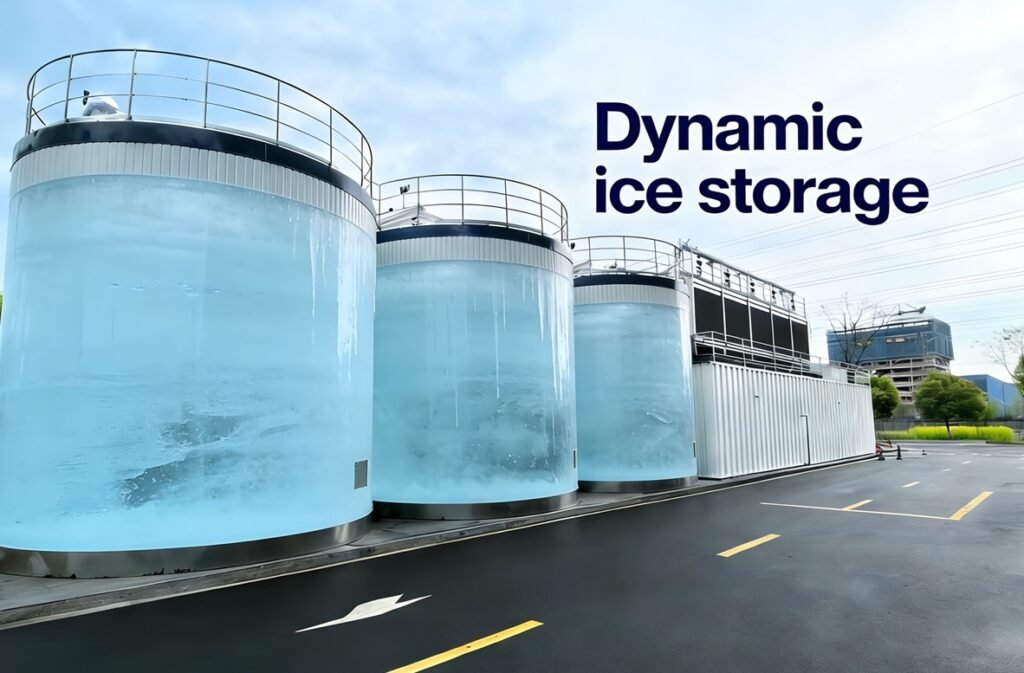
Dynamic ice storage technology with high heat transfer efficiency and excellent flow
characteristics
Dynamic Ice Storage Technology
Ice slurry, also known as binary ice or fluid ice, is a two-phase fluid consisting of microscopic ice crystals suspended in water. With exceptionally high heat transfer efficiency and excellent flow properties, it’s recognized as the “next-generation cooling and heat transfer mediu
Compared with traditional static ice systems (ice coils, ice balls), ice slurry offers revolutionary advantages, solving problems like low heat transfer efficiency, cooling power attenuation, and large storage tank requirements.
Core Advantages of Ice Slurry
Extremely High Heat Transfer: Ice crystals provide massive latent heat (335 kJ/kg) and large heat transfer surface area,the heat transfer coefficient is 5-10 times that of pure wate
Excellent Flow Properties:can be pumped and piped like a liquid, directly contacting the cooling object, eliminating the loss of secondary heat exchange
High Energy Storage Density:The unit volume of cold storage is large,requires 30%-50% smaller storage tanks than static ice systems
Constant & Precise Temperature: Stable phase change temperature (0°C to -2°C depending on solution concentration),and precise temperature control can be achieved
Detailed understanding of client cooling needs, process requirements, and site conditions
❷
Solution
Design
Customized ice slurry system design including ice generators, storage tanks, and distribution systems
❸
System
Integration
Integration of ice generation, storage, distribution, and control systems for optimal performance
❹
Installation & Commissioning
Professional on-site installation and commissioning to ensure system meets design specifications
❺
Training & Maintenance
Comprehensive operator training and ongoing maintenance services
Vacuum Rapid Cooling Solutions
Customized vacuum rapid cooling solutions for food processing, central kitchens, and prepared
food industries
Customization is the Core Answer
While vacuum cooling principles are universal, application effectiveness depends heavily on precise matching of process parameters. Different food textures, moisture content, shapes, and packaging determine optimal cooling curves and vacuum control strategies.
We understand the limitations of standardized equipment. Therefore, we provide deep non-standard customization services. Our engineering team will conduct precise process calculations and simulations based on your specific products (such as juicy marinated meats, delicate leafy greens, or porous baked goods), initial temperature, target temperature, and production capacity requirements.
Innovative "Natural Cooling + Mechanical Refrigeration" Dual-stage System
Stage 1: Natural Cooling Source Interception (High Temperature Range) – Uses cooling towers to reduce food temperature from ~100°C to near ambient with minimal energy consumption
Stage 2: Mechanical Refrigeration Precision Finish (Low Temperature Range) – Activates compressor refrigeration to precisely cool products from ambient to storage temperature
Core Value: Significant initial investment savings, substantial operating cost reduction (40%-50% electricity savings), improved cooling speed and system stability
Professional vacuum pre-cooling solutions for different produce characteristics to rapidly
remove field heat and extend shelf life
Post-harvest Preservation Key Technology
Post-harvest preservation is a core aspect of modern agriculture and food logistics. After harvest, produce remains a living organism that continues respiration, generating significant “field heat.” Failure to rapidly remove this heat leads to rapid aging, wilting, and spoilage, causing substantial economic losses.
Vacuum pre-cooling technology utilizes the physical principle of reduced water boiling point under vacuum conditions, evaporating moisture from produce surfaces to efficiently and rapidly remove internal heat.
Customized Solutions
Selection Design for Different Vegetables: Choose vacuum pre-cooling or pressure differential cooling based on produce tissue characteristics
Ultra-low Temperature Pre-cooling Design: Innovative anti-freezing module ensures produce protection
Design for Different Produce Densities: Determine appropriate chamber volume and system configuration based on produce density
Door Type Selection for Different Needs: Various options including manual doors, sliding doors, hydraulic flap doors, vertical lift doors
Data-driven, demand-oriented customized cold storage solutions for genuine energy savings
and environmental protection
Customized Energy-efficient Cold Storage Design
Modern cold storage is no longer just a “refrigerated box” but a complex energy consumption system. Achieving genuine energy savings and environmental protection requires abandoning the traditional “one-size-fits-all” approach in favor of data-driven, demand-oriented customized solutions.
Key Energy-saving Design Points
Deep Business Scenario Analysis: Analyze stored product types, operational processes, peak loads, and future expansion needs
Space & Layout Optimization Design: Zoned temperature control, airflow organization simulation design
Intelligent Control Systems: Operational strategy programming, integrated monitoring, preventive maintenance
Envelope Structure Energy Savings: High-performance insulation materials, airtightness design
Environmentally Friendly Refrigerant Selection: Priority given to natural refrigerants (CO₂, ammonia) or low-GWP HFO synthetic refrigerants